Newcastle United enter the 2025/26 campaign with a combination of pressure and purpose. The club has tasted silverware again, navigated a challenging return to Europe, and now faces the sharp end of expectation. The next step matters more than ever. Competing on multiple fronts in a congested calendar, while handling injuries and fatigue, demands depth, discipline, and a clear target.
The Weight of Expectation
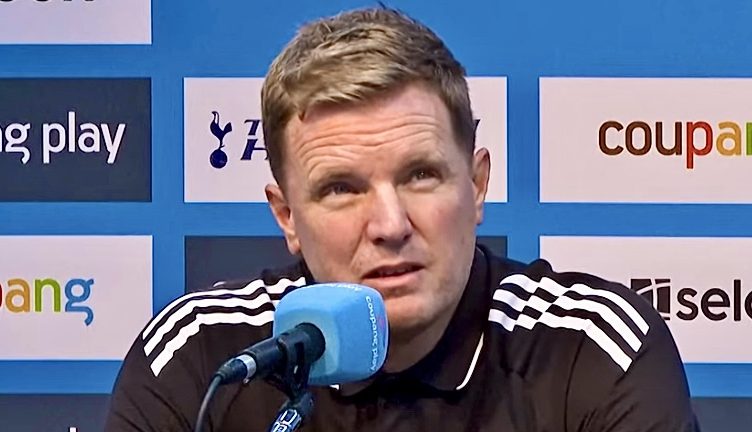
There is no quiet season at St. James’ Park anymore. Last season’s fifth-place finish came with mixed emotions. Some saw it as evidence of progress, others saw it as a step sideways after the Champions League qualification the season before. That internal conflict sets the tone. Supporters want to see ambition rewarded and mistakes addressed. Eddie Howe has admitted the squad needs attacking signings, especially with Alexander Isak excluded from the Asia tour. Though Newcastle initially mentioned a thigh issue, it became clear Isak is exploring a departure.
Howe confirmed Isak will not feature on tour. That absence, coupled with defeats to Celtic and Arsenal, has added tension. The club’s pursuit of Yoane Wissa has stalled, and frustrations are mounting.
Winning the Carabao Cup in March ended a long drought, but it did not resolve concerns over inconsistency. Supporters tracking efl odds noticed Luton Town and Cardiff City generating interest, while Newcastle’s place in those rankings suggested expectations remain high. The squad must now back ambition with results. A proper top-four campaign is not just desirable, it is necessary.
Champions League Qualification: The Marker of Progress
The structure of European qualification has changed, but the prestige of finishing in the Premier League’s top four holds strong. The Champions League’s new format stretches squads, lengthens group phases, and rewards consistency. For Newcastle, it represents a stage they have missed for years and returned to with great anticipation. Those midweek fixtures brought glamour but also highlighted gaps in strategy and experience.
A successful league season now almost requires Champions League qualification. The board’s ambition leans in that direction. Broadcast revenue, commercial appeal, and squad retention hinge on it. It also shapes transfer activity. Players at the highest level demand continental competition. For this Newcastle team to build on recent momentum, finishing inside that top four stands as a clear marker.
Europe: The Balance Between Stage and Substance
Newcastle’s return to the Champions League involves eight league-phase fixtures between September and January, split evenly between St. James’ Park and away grounds. Each one carries weight. The new format removes early breathing space, so dropping points could leave lasting marks.
The summer has offered sharp reminders of what that level demands. In Singapore, Newcastle lost 3-2 to Arsenal in a match that highlighted defensive lapses and lapses in focus. Anthony Elanga opened the scoring, but a quick turnaround, through Mikel Merino and an Alex Murphy own goal, swung momentum. Jacob Murphy struck back, yet Martin Odegaard settled it with a penalty won by Max Dowman.
This was no routine pre-season exercise. It exposed the gaps that Champions League opponents will target. The squad must handle rotation without chaos. New arrivals must adjust instantly. Fatigue cannot dictate form. Four away days across Europe will punish any sluggish performance. Last season’s squad stretched itself thin. That cannot happen again.
The Manager’s Tactical Expectations
Eddie Howe continues to rely on a front-foot approach built around high pressing, quick vertical transitions, and a well-drilled 4-3-3 or 1-4-3-3 shape. His Newcastle side aims to win the ball high and break with numbers. Central midfielders often carry dual tasks, screening and progressing, which places significant responsibility on players like Bruno Guimarães and Joe Willock. Full-backs push high to compress space, though this can expose the channels when turnovers occur.
Against Arsenal in Singapore, that exposure reappeared. Newcastle’s midfield line was drawn forward, leaving the back line vulnerable to quick switches and runs in behind. The quick double strike, Merino’s goal and Murphy’s own goal, stemmed from imbalances that Howe’s system can create under pressure.
Howe rarely shifts from his structure, though this season may force adjustment. Champions League weeks demand compactness and controlled tempo at times. Stubbornly sticking to open pressing risks burnout. His system can work brilliantly with sharp execution. The test is whether it remains adaptable when legs tire and margins tighten.
Transfers and Squad Construction
The club’s summer business reflects long-term planning with short-term urgency. Losing stars would dent morale, but new signings bring intrigue. What matters most is availability. Last season faltered during stretches where injuries forced awkward selections. Newcastle need a bench that contributes meaningfully. Players like Jacob Murphy and can no longer be thought of as filler.
Injury-prone signings cannot become the norm. Training regimes, medical oversight, and rest patterns must all match the demands of a season filled with long-haul flights, physical derbies, and tricky cup ties. There is no easy week. Squad management cannot be reactionary.
Supporter Mood and Public Narrative
Public commentary about Newcastle’s ambitions often swings between admiration and suspicion. The ownership model draws global headlines. Success on the pitch must speak louder than any speculation off it. Supporters will forgive the occasional poor result. They will not forgive passivity. A club with these resources cannot finish seventh and call it satisfying.
Expectations carry emotion. When supporters queue at 4am in Seoul or Glasgow to see a pre-season match, they do so with the belief that something special brews. That belief cannot fade in the face of a few tough away days. The club’s communications have improved. Fans receive updates. They feel closer to the action. That proximity builds loyalty but also amplifies criticism when results slip.
Defining Success Without Vanity Metrics
Trophies, placings, and revenue figures all help shape opinions, but success in football often escapes tidy definitions. For Newcastle this season, it lives somewhere between winning a cup and finishing fourth. Either outcome alone feels like partial success. Both together would feel like clear progress. Falling just short in every competition leaves a taste of wasted opportunity.
A bad week in February can undo months of progress. Newcastle must develop a habit of resilience. They need late winners, ugly points away from home, and midfielders who scrap without showboating. If they reach May with tired legs, medals in pockets, and a Champions League ticket punched, few will complain. That image fits the ambition. That outcome would mean success.