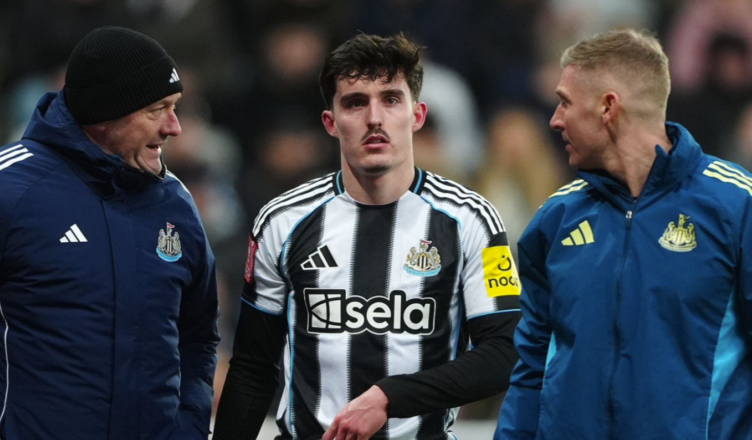
There’s a certain sound at St James’ Park when the clock hits 80. It’s not cheering, not groaning, it’s more a low, stubborn rumble saying aye, we’re still in this. Newcastle matches have always had a bit of chaos baked in, but this season the late moments have become a proper habit: legs burning, lungs on fire, and somehow the game still tilts.
It’s not always pretty. Sometimes it’s frantic, sometimes it’s pure “how have we got away with that?” stuff. But when Newcastle smell fatigue in the other lot, they start playing the last ten minutes like it’s a separate match: more bodies forward, more second balls, more pressure on every touch. And if you’re the opponent, it’s squeaky time.
The 80-minute switch that makes teams wobble
Newcastle doesn’t suddenly become a different side at 80. The shift is simpler: intensity gets dialled up, and risks get accepted. Full-backs push higher, the box gets crowded, and every loose clearance becomes a chance to reload. The match becomes less about careful patterns and more about territory: to pin them back, to win the next duel, to keep the ball alive.
That’s why late goals feel “inevitable” in the stands. Not because they’re guaranteed, but because the plan is clear: keep asking the question until somebody answers it badly.
Leeds: 79 minutes of stress, 12 minutes of mayhem
If you want a case study, the 4-3 against Leeds is the one. Then Leeds nicked it again just over ten minutes from time through Brenden Aaronson, and it had that sinking feeling—one of those nights where you’ve huffed and puffed, then get caught cold.
Then the match did what Newcastle matches sometimes do: it lost its mind in stoppage time. Bruno Guimarães levelled from the spot after an Aaronson handball, and Harvey Barnes found a winner in the 12th minute of second-half stoppage time.
Eddie Howe didn’t dress it up afterwards. “We weren’t at our best but we showed great character,” he said. That’s the point: late goals aren’t always about being on top for 90. Sometimes they’re about refusing to accept the script.
Howe’s message: no moaning, just graft
The fan brain loves a single explanation: “mentality monsters” or “fitness levels,” and job done. Reality is messier, but Howe’s post-match tone matters. After Leeds, he kept it blunt: “I don’t want to talk about any negatives, it wasn’t our finest performance but I want to focus on the positives.”
That’s not just PR. It’s a cue to the squad: the last ten minutes are where you cash in the work you’ve done earlier. If you’ve been sloppy, you don’t get to sulk; you sprint anyway. That attitude is half the reason opponents start panicking when the fourth official signals to the board.
Bodies in the box, second balls, repeat
Late-game Newcastle is often less about a single killer move and more about waves. The ball goes wide, then comes in, gets half-cleared, and comes in again. Midfielders gamble on the edge of the area. Someone throws a leg at a rebound. Someone else arrives for the scrappy finish.
Against Leeds, the equaliser and the winner both came after the pressure had been turned up to full volume, with Leeds trying to survive rather than play. That’s a key late-game pattern: Newcastle doesn’t need perfection if they can keep you defending for long enough. One ricochet, one tired header, one mistimed step, and suddenly the stadium goes feral.
Numbers, nerves, and the “what if?”
Modern football has added a new layer to the last ten minutes: everyone’s got a second screen. People aren’t just watching the match; they’re tracking live stats, momentum swings, and price movement in the sports betting markets. A second screen often has melbet download open beside the match feed, with fans tracking in-play betting lines, corner counts, and late-goal markets, while group chats argue over whether the next corner is basically a penalty in disguise and if sustained pressure is about to pay off.
For plenty of fans, those late minutes turn into a quick maths session: what’s the next goal worth, who looks knackered, and how’s the referee calling contact? In-play markets move fast when corners stack up, or a sub adds pace. It’s part thrill, part discipline: set a plan, avoid tilting, and enjoy the ride. Even a calm punt can get loud.
Worth remembering, too: the league itself has leaned into late drama this season. The Premier League noted that a significant share of goals in 2025-26 have arrived from the 80th minute onwards, higher than last season. So Newcastle isn’t alone in living in the danger zone, but they’ve made it feel personal.
“The crowd pushes”: Guardiola clocked it
When rival managers start saying it out loud, you know it’s become a thing. Ahead of the League Cup semi-final, Pep Guardiola admitted he’d rather the tie was a single game, pointing straight at Newcastle’s late-goal reputation under Howe.
He didn’t even pretend it was only tactics. “The pride is there, the crowd pushes,” Guardiola said. That’s the nightmare for opponents: you’re not only fighting a team; you’re fighting a stadium that believes it’s never finished. And once that belief spreads, every throw-in becomes a set-piece, every clearance gets roared back at you, and your legs feel heavier than they did ten minutes ago.
Living late cuts both ways
Here’s the bit fans know but don’t always enjoy admitting: if you’re constantly relying on late heroics, you’re also flirting with late heartbreak. Howe himself nodded to that reality after Leeds, saying it was “great to go the other way today” after earlier games where points had slipped late.
That’s the balance Newcastle needs to nail down. Late goals are mint, obviously. But the real leap is turning “we can always score” into “you can’t land a punch on us when we’re protecting something.” With big fixtures piling up, that’s the difference between a fun story and a proper season.
And with Manchester City coming to Tyneside on Tuesday in the League Cup semi-final first leg, nobody in blue will be relaxing at 80 minutes, because Newcastle have made that minute marker feel like a warning siren.